


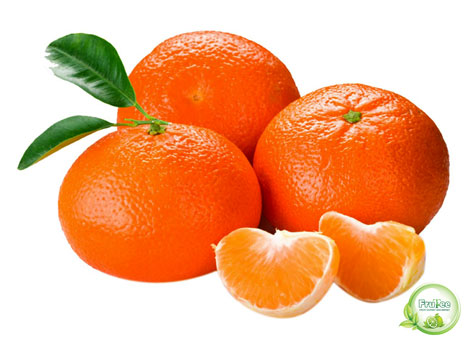
Tangerines:
– HS Code: 080521
– Production: Clementine, Fresh Iranian Sun Sumac
– Sizes: 36, 42, 48, 54, 60
– Packaging: 5 to 8 kg carton
– Transportation: Land
– Available season: October to January
Introduction
Tangerine is a type of fruit from the citrus family that is smaller than an orange. This fruit, with its soft and easy-to-peel skin, grows in temperate climates and is harvested in the fall and winter seasons. Tangerines are orange and yellow in color and have a juicy, fleshy structure. This fruit can be eaten after removing its soft skin, similar to an orange, or consumed as juice.

Ways to Consume Tangerines
The delightful taste of tangerines makes them a popular snack and a common ingredient in desserts and beverages. Additionally, their pleasant aroma adds to the appeal of this fruit.
Tangerines can be used in various ways; here are some of them:
- Raw Consumption: Tangerines can be easily peeled and eaten raw as a healthy and delicious snack.
- Salads: They can be added to fruit salads or vegetable salads to provide a fresh and sweet flavor.
- Juice: Tangerine juice is a popular beverage that can be freshly made to enjoy its taste and benefits.
- Jam: Tangerines can be used to make delicious and fragrant jams that can be served on bread or as a dessert.
- Desserts: They can be used in various desserts like cakes, puddings, and jellies to add a unique and pleasant flavor.
- Smoothies: Tangerines can be added to smoothies to give them a fresh and nutritious taste.
- Seasoning: They can be used as a seasoning in some dishes to impart a different and delicious flavor.
This variety in the ways tangerines can be consumed has made them one of the most popular and favored fruits.

What are the Benefits of Tangerines?
Tangerines are one of the delicious and nutritious fruits of the fall season. This small and colorful fruit not only has a delightful taste but also possesses unique health benefits. Tangerines are rich in vitamin C and antioxidants, which can help strengthen the immune system. Additionally, this fruit aids in combating premature aging and improving skin condition.
Nutritional Value of Tangerines
- Calories: 40
- Fat: 0.02 grams
- Carbohydrates: 12 grams
- Sugar: 8 grams
- Protein: 0.6 grams
Tangerines are also rich in vitamins A, B1, B2, B6, B9, K, D, and contain significant amounts of calcium, magnesium, and phosphorus.
Here are some of its valuable properties: blood-building, heart tonic, appetite stimulant, expectorant, vasodilator, and memory enhancer.

Properties and Benefits of Tangerines
Here are some of the valuable properties of this fruit:
- Strengthening the immune system
- Effective in weight loss
- Promoting skin and hair health
- Improving cold symptoms
- Maintaining heart health
- Regulating blood pressure
- Preventing premature aging
- Fever-reducing and cough suppressant
- Purifying the blood
- Preventing cancer
- Supporting digestive health
- Preventing constipation
For more information on the benefits of tangerines, you can refer to the relevant links.
Side Effects
In some individuals, it may cause allergies. Additionally, excessive consumption can lead to gastrointestinal issues.
Production and Export
Iran is one of the main producers of tangerines in the Middle East, producing about 1.5 million tons of this fruit annually. The export company “Fruity” has a significant share in this market.

Packaging and Storage
Citrus packaging is done both manually and mechanically. Storing tangerines in the refrigerator is an easy and convenient method that allows them to be used and stored for 2 to 3 weeks.



بدون دیدگاه